 Tina's Clean TeamNovember 9 ·
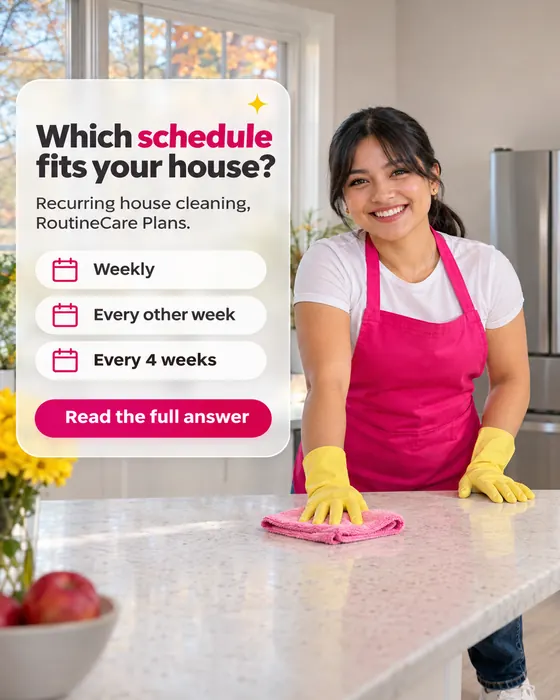
Weekly, every other week or every 4 weeks? Start with who lives in the house.
1. Kids, pets and a lot of traffic: weekly.
2. A home you keep tidy day to day: every other week. See more
243 comments
Before they call anyone, your customers search questions like how much a deep clean costs or whether an old furnace is worth repairing.
Built forTina's Clean TeamCleaning RevolutionPhilly's Clean TeamPro DJ ProductionsAmbitious CleaningDSC Accountingand more
Tina's Clean TeamBook now
House cleaning service · South Jersey and Central Jersey
House cleaning in South Jersey and Central Jersey. Call or text (609) 831-4455.
Tina's Clean TeamNovember 9 · Weekly, every other week or every 4 weeks? Start with who lives in the house.
1. Kids, pets and a lot of traffic: weekly.
2. A home you keep tidy day to day: every other week. See more
467posts
Home cleaning in South Jersey + Central Jersey
One-time + recurring cleaning
Call or text (609) 831-4455
Book or request a quote below
Moorestown, New Jersey
www.tinascleanteam.com/bo... and 1 more





Content marketing for a local service business is publishing blog posts and service-area pages that answer the questions nearby customers search, in plain language and a clear structure. It's for owners who want to be found on Google and quoted in AI answers for their services and towns, without writing it all themselves.
We write the posts and service-area pages that answer those questions clearly, so Google and AI tools have a reason to send people to you.

There are a few posts from when the site launched, and nothing since.
You paid for articles that could be about any company in any town, and they never brought in a call.
Someone asks ChatGPT or Google for help in your area, and it quotes a competitor whose page actually answers the question.
Content that answers real local questions works on all three, and it starts with knowing which questions people in your towns actually ask.
We find the questions people in your area search before they hire someone like you.
Local Marketing AuditLocal SEO heatmap audit
Local SEO heatmap audit
New scanHouse cleaning service
Open · Closes 9 PM
Each post answers one question plainly, in your voice, with the answer up front.
Real pages for the services and towns you want to win, with local detail instead of swapped town names.
Question-shaped headings with the answer in the first lines, so a reader, Google, or an AI answer can find it fast.
You see every post before it goes live, so the facts about your business are right.
We watch which posts and pages bring in visitors and leads, and write more of what works.
Tina's Clean Team's blog, a company we co-operate: 108 posts in 9 categories, rebuilt by our team in October 2026, each answering a question customers actually ask.
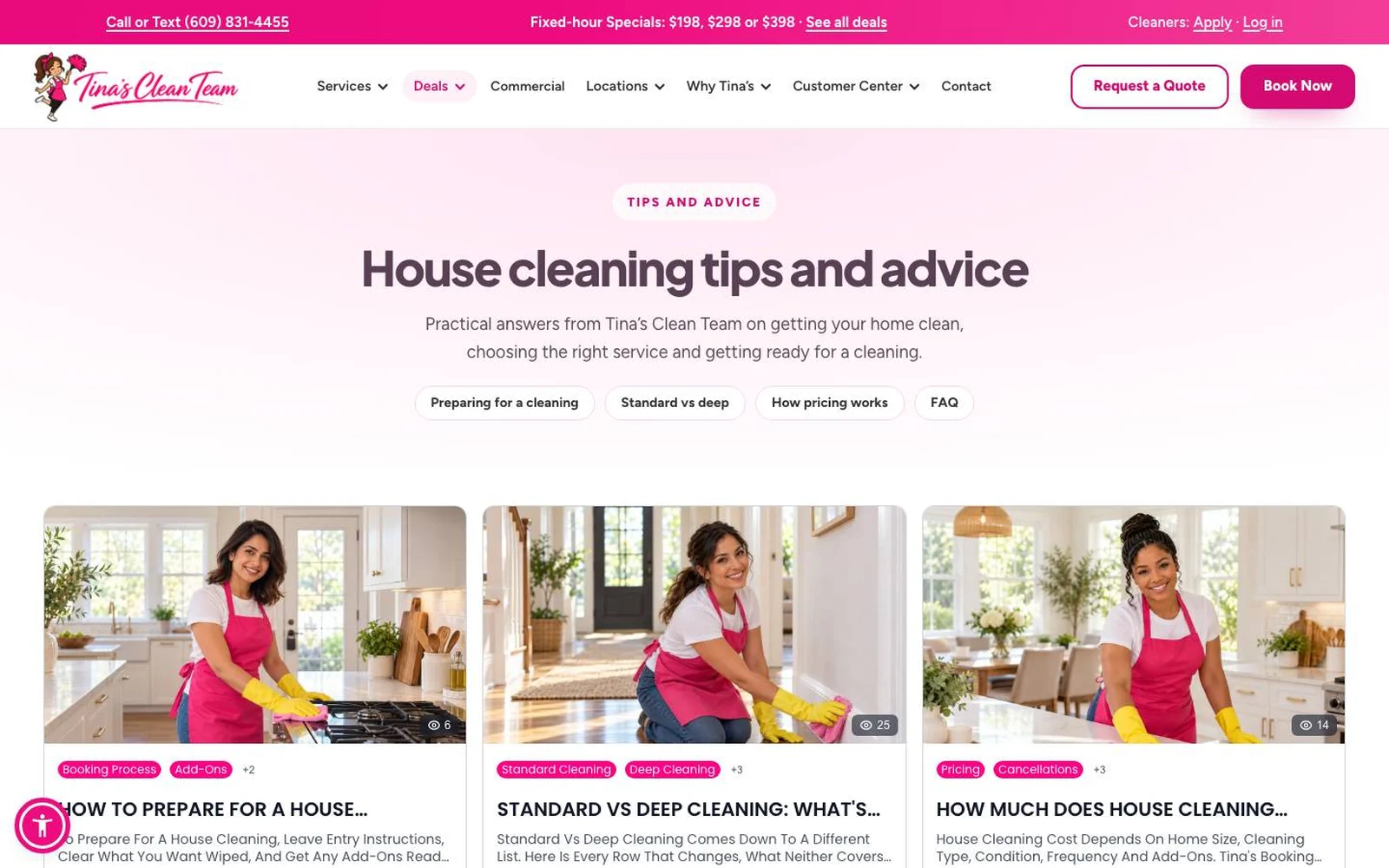
Each blog topic also becomes social posts, so one idea works in several places.

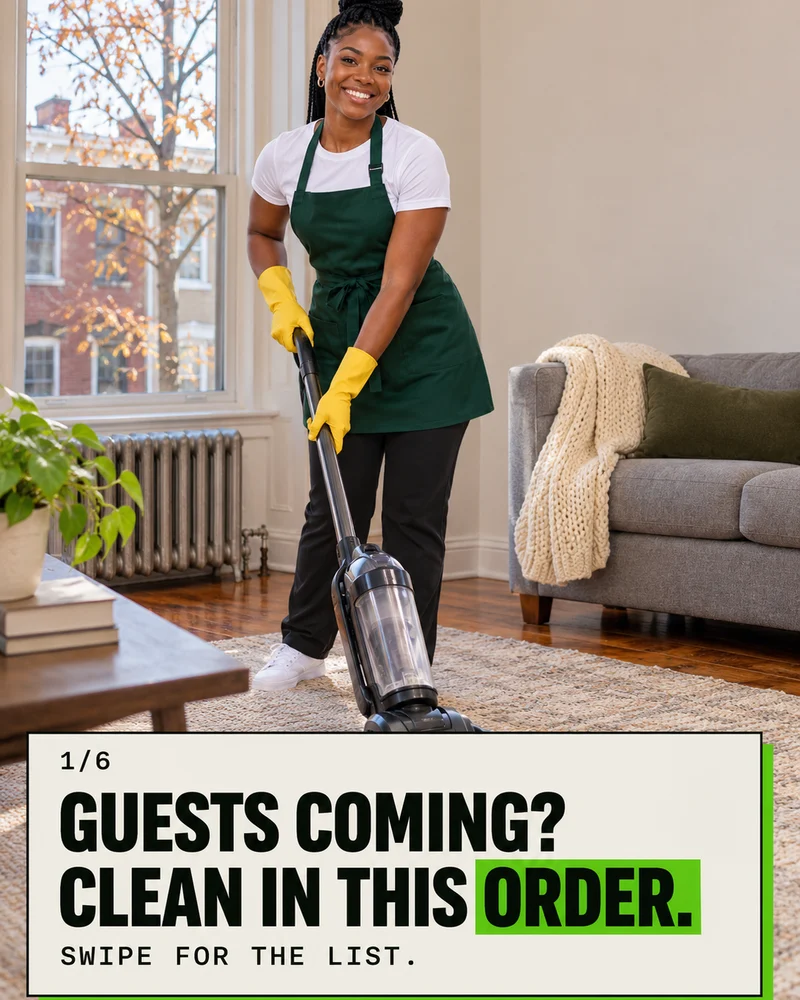

Tina's Clean Team and Philly's Clean Team are companies we co-operate.
The blog and blog-to-social sharing are part of LeadLite's core platform. Content AI, which can draft outlines and sections in the blog editor, is billed by use or through an AI plan, and the topic planning tools come with the SEO add-on.
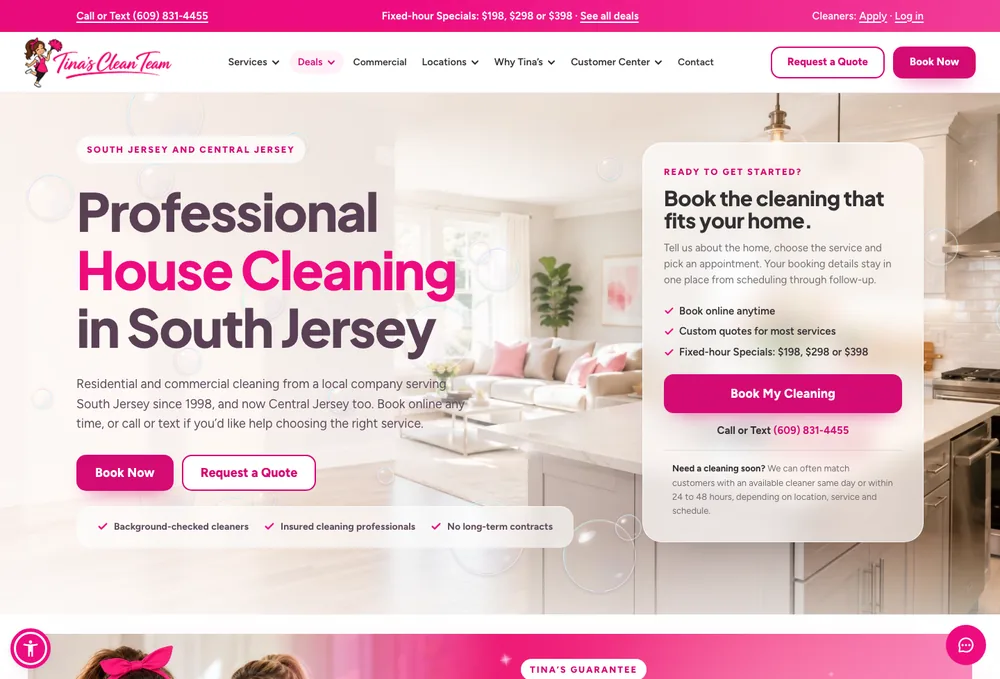
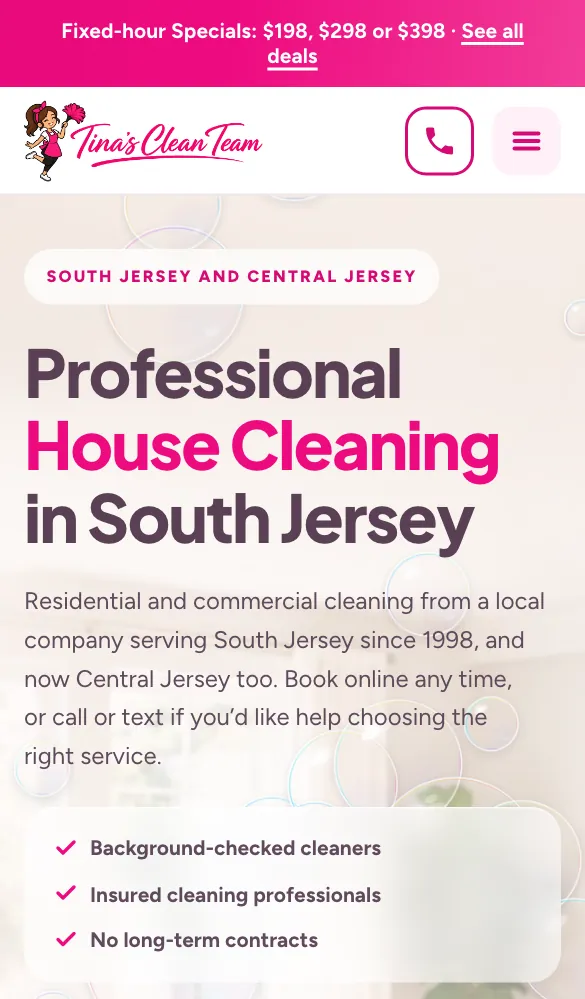
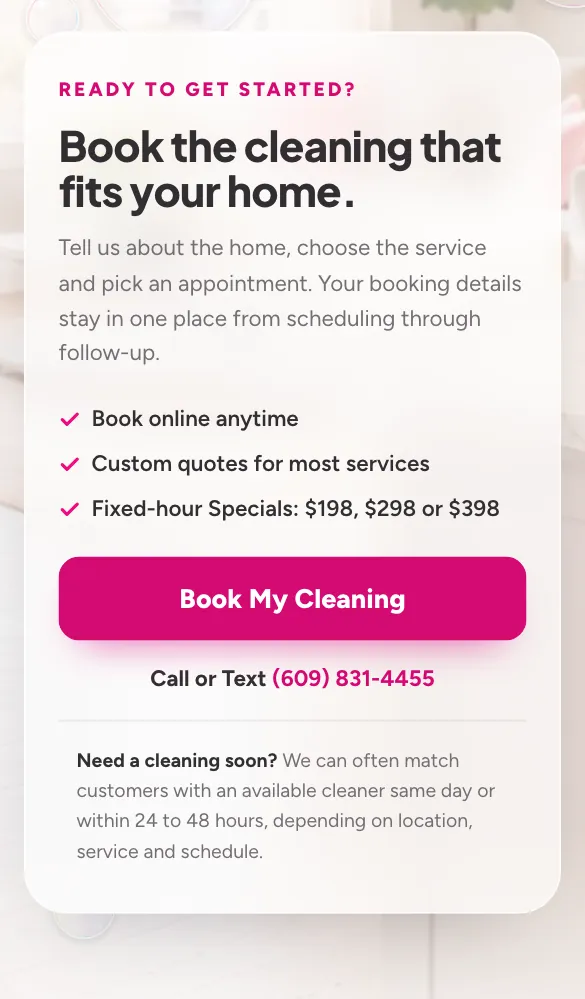

Posts with categories, their own titles and descriptions, and alt text on cover images.
New posts can go out as social posts automatically through the social planner's RSS posting.
Posts scheduled to your social profiles and your Google Business Profile from one place.
Service-area pages built in the same site builder as the rest of your site.
Drafts outlines, introductions, and sections in the blog editor, billed by use or through an AI plan.
Topic clusters and content planning tools that come with the SEO add-on.
Screens and cards are illustrations with demo data.
| Three ways to get it | Do it yourselfLeadLiteFrom $97 / month | Built for youWizardQuoted with your plan | Run for youManagedCustom, priced to the work |
|---|---|---|---|
| What it means | Write and publish your own posts with LeadLite's blog, and share them to social from the same place. Content AI drafting is billed by use. | We research your topics, build the content plan, and set up your blog and service-area page structure. | We research, write, publish, and track new posts and pages for you, at a pace we agree on together. |
| Blog and social sharing | Set up for you | Run for you | |
| Topic research and plan | You do it | Planned with you | Planned and updated |
| Posts written | You write them | - | Written for you |
| Service-area pages | Site builder included | Structure set up | Written and built |
| Tracking what works | You do it | Set up for you | Reviewed with you |
| See LeadLite plans | Book a strategy session | How managed works |
Calling, texting, email, AI and payment processing are billed by use where they apply.
We list the questions and searches that matter for your services and towns.
We build a content calendar with you and agree on which topics go first.
We write each piece and send it to you to check before it publishes.
We publish with clean structure and local business schema, then track what brings in visitors and leads.
What an owner should know before buying it or hiring someone to run it. Reviewed November 2026.
When the posts answer questions your customers actually search, yes. Google's guidance asks for people-first content: written for a reader who arrived with a question, showing first-hand experience, and leaving them better informed than before. A plumber who explains when a water heater is worth repairing, using what they've seen in basements around town, is writing exactly that.
Generic posts don't do much. 'Tips for a cleaner kitchen' could have been written by anyone, about anywhere, and Google has no reason to pick yours. Neither does a customer. The posts that earn their place answer one question well, then link to the service page where the reader can book.
Content also feeds the rest of your marketing. A good post becomes a social post, an email to past customers, and the answer you send when someone asks the same question by text.
The best topics are already in your phone. The questions customers ask on calls, during estimates, and in reviews. The price question: what affects the cost of a deep clean, a drain repair, a new roof. The 'is it worth it' question: repair or replace, do it yourself or hire someone. How to get ready for the visit, and what to expect on the day. Seasonal timing, like when to book a furnace tune-up or a spring cleanup. And local detail only you know, like what hard water does to fixtures in your county.
Write each post to answer one question, with the answer in the first few lines and the detail after. Use the words customers use, not trade terms. Say what it depends on, what to watch for, and when a customer can handle it themselves. Honest advice that sometimes tells people they don't need you is what makes them call when they do.
A service area page covers one service in one town or region, like house cleaning in Dover. It can help you show up in that town, and it can also get you in trouble. Google's spam policies call out doorway pages, near-identical pages with only the town name swapped. Since March 2024 they also name scaled content abuse: many pages generated mainly to manipulate rankings rather than help people, whether a person or AI wrote them.
A good service area page has something specific to say. The neighborhoods you cover. The jobs you do there and the conditions that shape them: older homes, hard water, wooded lots, salt air. How scheduling works in that area. Photos from real jobs nearby. If you can't write a page like that for a town, don't build one for it yet. A smaller set of real pages is safer, and it reads better too.
Google's spam policies are about the content, not the tool. They target pages made mainly to manipulate rankings, however they were produced. AI can help with an outline or a first draft. What it can't supply is what makes a local post worth reading: your experience, your photos, your local detail, and the facts about your business. Use it for the blank page, then do the part only you can do.
LeadLite's Content AI can draft outlines, introductions, and sections inside the blog editor, and it's billed by use or through an AI plan rather than included free. Our approach is the same either way. A person writes and edits every post, and you check the facts before anything publishes. Never let a post go live with hours, service areas, pricing, or licensing details you haven't confirmed. A confident wrong answer on your own site is worse than no post at all.
There's no switch to flip, no special schema to add, and no special file to upload. Google says there are no extra requirements to appear in AI Overviews or AI Mode: a page needs to be indexed and eligible to show in search with a snippet, and normal SEO applies. Other AI tools say less about how they choose sources, but the same habits give them more to work with.
What helps is what helps readers: the answer near the top, clear headings that match the question, consistent facts about your business across your site and your profiles, and structured data that matches what's visible on the page. To see whether it's working in Google, look at Search Console's Performance report. Traffic from AI features is counted there under the Web search type; there's no separate AI report. A good first check: your hours and service area should read the same everywhere they appear.
There's no right number. A useful post on a schedule you can keep does more than a burst of thin ones followed by months of silence. Pick a pace that fits how many services and towns you want to cover, and protect it. When the pace slips, update an older post instead of skipping a turn.
Expect months, not days. New pages have to be found, crawled, and tested in results before they settle. Judge content over a stretch of time by what it brings in: clicks and searches by page in Search Console, the leads that came from each post, and how many readers moved on to a service page. Then refresh what's working. Update the facts, add new photos, merge thin posts into stronger ones, and keep the address the same so the page keeps what it's earned.
Questions
Still deciding? A strategy session walks through your calls, leads and booking, and what we would build first.
Book a strategy sessionYes, when the posts answer real questions your customers search and link to your service pages. Generic posts written around a keyword don't do much. A post that answers one local question clearly gives Google a reason to show your site and gives AI tools something worth quoting.
Steady beats frequent. A useful post on a regular schedule does more than a burst of thin ones followed by months of silence. We set a pace that fits how many services and towns you want to cover, and adjust it once we see what brings in visitors.
Start with the questions customers already ask you: what affects the price, whether to repair or replace, how to get ready for the visit, and when in the year to book. Add local detail only you know. Each post answers one question, with the answer up front and a link to the matching service page.
A service area page is a page about one service in one town or region, like house cleaning in Dover. A good one has real local detail, such as the neighborhoods you cover and the questions people there ask, not the same text with the town name swapped, which Google's spam policies treat as doorway pages.
You can use it to help, as long as a person checks the result. Google's spam policies target content made mainly to manipulate rankings, however it's produced. LeadLite's Content AI can draft outlines and sections, billed by use or through an AI plan. Every post still needs your facts, your local detail, and your sign-off before it publishes.
There's no switch to flip, and nobody can promise a mention. Google says there are no special requirements or schema for its AI Overviews and AI Mode; normal SEO applies. Pages that answer a question directly, near the top, with consistent facts about your business, give AI tools more to work with. We cover the rest in AI search optimization.
Yes, and you know your trade better than any writer. The hard part is finding the time to keep it going. On the do-it-yourself level you write and publish in LeadLite's blog; if you'd rather hand it off, we research, write, and publish for you, and you check each post first.
Expect months rather than days. New pages have to be found, crawled, and tested in results before they settle, and one post won't tell you much on its own. We judge content by the clicks and leads it brings in over a stretch of time, and show you which posts are doing the work.
It depends on scope. LeadLite starts at $97 a month if you run it yourself; built-for-you and run-for-you plans are quoted to the work. For content, the number of posts and service-area pages sets most of the price. Content AI drafting in LeadLite is billed by use or through an AI plan.
Book a strategy session. We'll look at how leads find you, reach you and book with you, and show you what we'd build first.
Related
AI search optimizationWhen someone asks ChatGPT or Google's AI Mode for a good local cleaner or plumber, the answer names a few businesses instead of a page of links.Local SEOWhen someone in your service area searches for what you do, local SEO decides whether they see you or a competitor.Google Business ProfileYour Google Business Profile is the listing people see in Maps and search, before your website and before they call.